The Price of Promised Affordability: When Will Voters Wake Up?

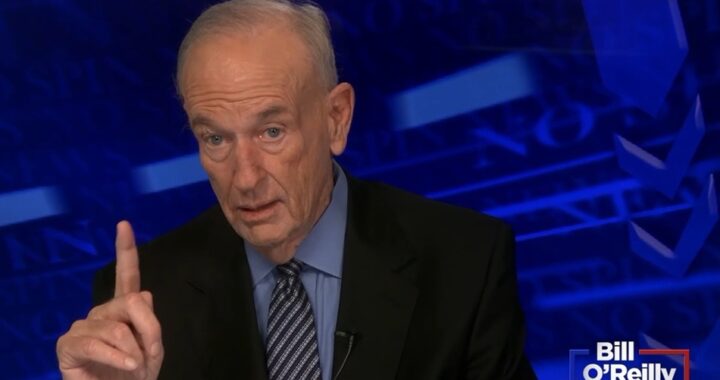
Credit – Bill O’Reilly
When are the voters who bought into the promises made during the November 2026 midterm elections going to wake up? We haven’t even reached January 3rd, and we’re already seeing indications of the direction these socialist politicians intend to take this country. Frankly, none of this should come as a surprise.
You cannot promise people affordability while simultaneously pushing outrageous government spending, expanding entitlement programs, and demanding enormous tax increases to pay for it all. Eventually, somebody has to foot the bill. And guess who that somebody is? We the taxpayers!
The very politicians who campaigned on making life more affordable are already giving us reasons to question those promises. Where is this affordability everyone was supposed to enjoy? Where are the meaningful solutions to the rising cost of living? Instead, we’re hearing about higher taxes, increased government spending, and more ways to fund entitlement programs.
Let’s take a closer look at the size of the federal government’s existing commitments.
According to federal program statistics:
- Social Security: Approximately 76 million people receive Social Security and/or Supplemental Security Income (SSI) benefits, administered by the Social Security Administration.
- Medicare: Roughly 67 million Americans receive Medicare coverage through the Centers for Medicare & Medicaid Services (CMS).
- Medicaid: This program also serves tens of millions of Americans and is overseen by CMS.
- SNAP (Food Stamps): Approximately 42 million people participate in this program each month, administered by the U.S. Department of Agriculture.
Think about those numbers for a moment. We’re talking about enormous federal programs supporting tens of millions of Americans, each carrying substantial financial obligations.
And before anyone misunderstands the point, these programs serve different purposes. Millions of Americans have paid into Social Security throughout their working lives, while Medicare provides health coverage to eligible Americans. Medicaid and SNAP serve different populations and needs. The issue isn’t whether people who legitimately qualify should receive assistance. The issue is how we continue funding these commitments responsibly without placing an increasingly unreasonable burden on taxpayers and future generations.
We’re already dealing with a national debt that has reached staggering levels. How much more spending, borrowing, and taxation can this country realistically sustain?
America cannot keep writing checks that taxpayers cannot afford to cash. Government money doesn’t magically appear because politicians promise another program. It comes out of our pockets, our paychecks, our businesses, and ultimately the economic future of our children and grandchildren.
And here’s the political circus we seem destined to repeat: Democrats push more spending, taxes, and government expansion. Republicans eventually get voted back into office, only to accomplish too little, too slowly, and give frustrated voters another reason to turn against them. Then, when the next election rolls around, voters once again cast ballots out of anger, frustration, or promises of something better.
Round and round we go!
At what point do voters stop falling for the same political sales pitch?
Affordability cannot be manufactured through government handouts, endless spending, and higher taxes. You cannot make a country more prosperous by continually taking more from the people who keep its economy running.
Is this really what Americans expected when they cast their ballots? I seriously doubt it. Yet here we are, watching the same political mistakes unfold while too many people refuse to acknowledge where this road leads.
Perhaps the greatest problem isn’t simply the politicians we elect. It’s our willingness to believe that the next election, the next administration, or the next government program will somehow fix the consequences of the last one.
We don’t need Nostradamus to predict how this story could end. We simply need to pay attention to history, understand basic economics, and recognize that a nation cannot spend its way into prosperity.
The question isn’t whether America can afford another round of political promises. It’s whether America can afford the consequences of continuing to believe them.